Let’s discover the reason why DevOps is faster, more affordable, and more reliable than traditional IT, as well as how Nepali companies can use Bisup’s managed services to implement it.
What is DevOps?
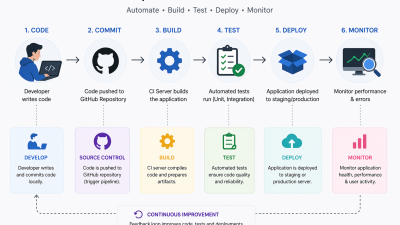
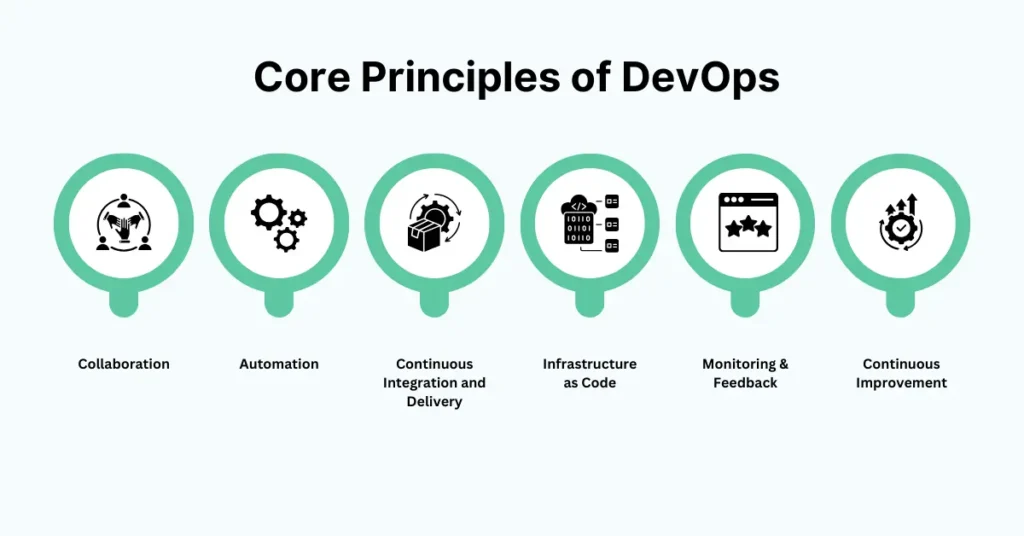
DevOps is a contemporary approach to IT operations and software development that emphasises automation, teamwork, and continuous delivery. DevOps unites development and operations teams to operate as a single, cohesive unit.
Fundamentally, DevOps seeks to improve team communication and automate procedures in order to deliver software more quickly, reliably, and with fewer errors.
“DevOps” is the result of combining:
Operations (Ops) and Development (Dev)
Featured Snippet Answer
DevOps is a collection of techniques that integrates IT operations and software development to reduce the development lifecycle, increase deployment frequency, and guarantee high-quality software delivery via automation and teamwork.
DevOps, which was first made popular by corporations like Google and Amazon, is now crucial for companies of all sizes, including small and medium-sized businesses.
Traditional IT vs DevOps — Side-by-Side Comparison
In traditional IT, code is written by developers and then sent to operations teams for deployment. Delays, misunderstandings, and repeated failures are frequently the results of this.
Conversely, DevOps encourages continuous delivery and integration, which speeds up and streamlines the process.
Comparison Table
| Factor | Traditional IT | DevOps |
|---|---|---|
| Deployment Speed | Slow (weeks/months) | Fast (hours/days) |
| Team Structure | Separate teams | Collaborative teams |
| Failure Rate | Higher | Lower due to testing & automation |
| Recovery Time | Slow | Quick rollback & fixes |
| Cost Efficiency | Higher operational cost | Optimized & cost-effective |
| Automation | Minimal | Extensive |
Key Insight
Conventional IT is reactive; issues are resolved after they arise.
DevOps is proactive; systems are built to stop problems before they arise.
Core DevOps Practices Explained
DevOps is more than just an idea; it is put into practice with particular methods and resources.
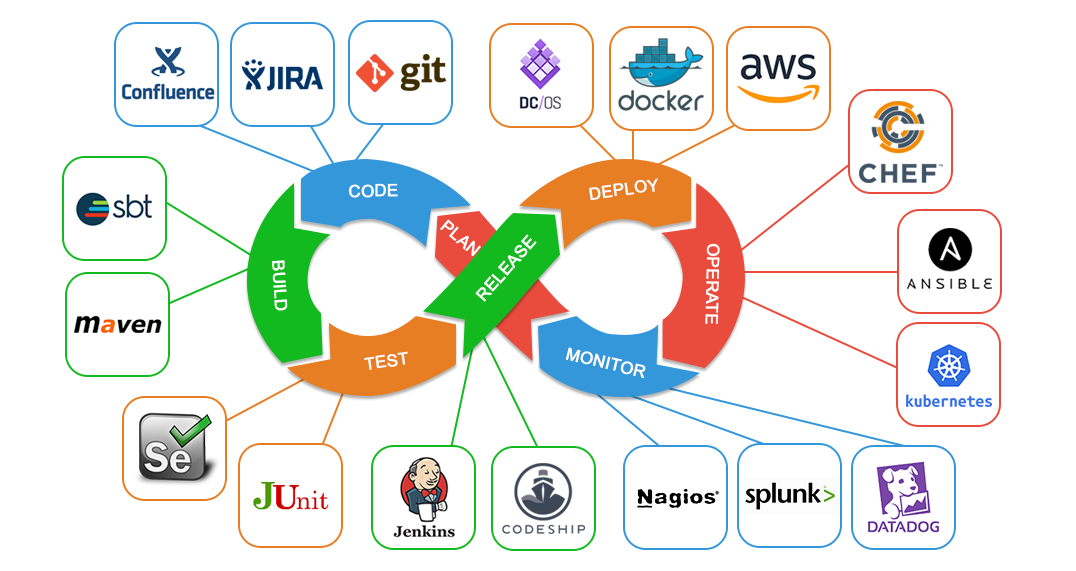
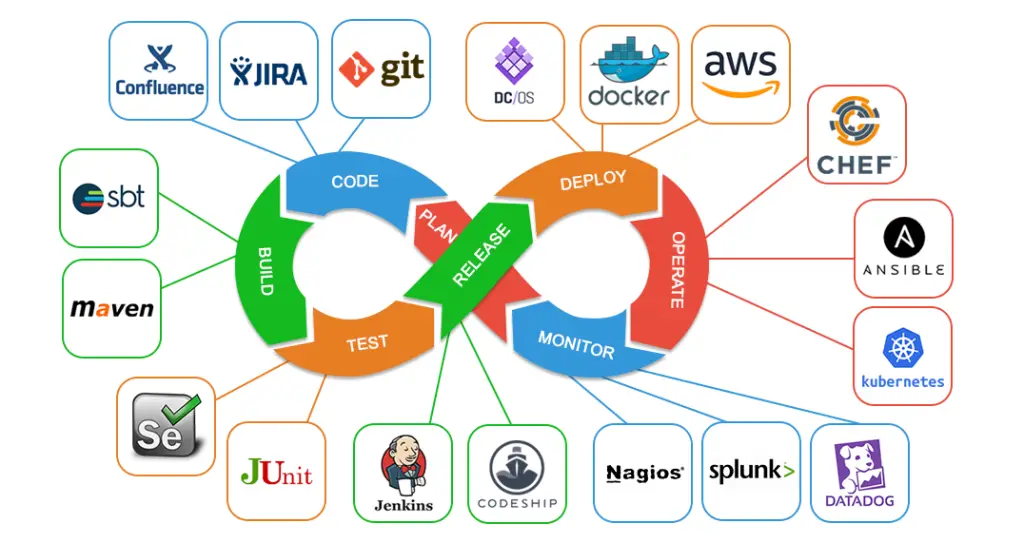
1. Continuous Integration / Continuous Deployment (CI/CD)
CI/CD automates the process of integrating code changes and deploying them to production.
Popular tools include:
With CI/CD:
- Developers push code frequently
- Automated tests run instantly
- Deployment happens without manual intervention
2. Infrastructure as Code (IaC)
IaC allows you to manage infrastructure using code instead of manual configuration.
Tools:
- Ansible
- Terraform (widely used)
Benefits:
- Consistency across environments
- Faster setup
- Reduced human error
3. Monitoring and Logging
DevOps emphasizes real-time monitoring to detect issues early.
Common tools:
- Prometheus
- Grafana
This ensures:
- Better uptime
- Faster troubleshooting
- Improved user experience
4. Automation
Automation is the backbone of DevOps.
Tasks automated:
- Testing
- Deployment
- Server provisioning
- Scaling
This reduces manual effort and increases reliability.
Why Small & Medium Businesses in Nepal Need DevOps Now
Nepal is undergoing a swift digital revolution. Companies are competing in international markets, going online, and implementing cloud technologies.
DevOps is now a competitive advantage for small and medium-sized businesses (SMBs).
1. Faster Time to Market
In today’s market, speed matters.
With DevOps:
- Launch products faster
- Release updates frequently
- Respond to customer feedback quickly
Example:
A local e-commerce startup in Kathmandu can deploy new features weekly instead of waiting months.
2. Cost Savings
DevOps reduces costs by:
- Automating repetitive tasks
- Minimizing downtime
- Optimizing resource usage
Instead of hiring large IT teams, businesses can operate efficiently with smaller, skilled teams.
3. Improved Reliability
Downtime can damage reputation and revenue.
DevOps ensures:
- Continuous monitoring
- Quick rollback mechanisms
- Stable deployments
4. Scalability
As your business grows, your infrastructure should scale easily.
DevOps makes it simple to:
- Add new servers
- Handle traffic spikes
- Expand services
5. Competitive Edge
Businesses adopting DevOps can:
- Innovate faster
- Deliver better user experiences
- Stay ahead of competitors
Common Myths About DevOps (Debunked)
Due to misunderstandings, many companies are afraid to implement DevOps.
Myth 1: “DevOps is exclusively for big businesses”
Actuality:
DevOps is beneficial even for small startups. Smaller teams can actually embrace it more quickly and get results more quickly.
Myth 2: “DevOps is too costly”
Actuality:
DevOps lowers long-term costs through automation and efficiency, even though there may be an initial startup cost.
Myth 3: “Implementing DevOps requires a large team.”
Actuality:
You don’t need 10 engineers. DevOps can be successfully implemented by a small team with the correct resources and direction.
Myth 4: “DevOps is only about tools”
Actuality:
DevOps is less about tools and more about culture and procedures. Only the workflow is supported by the tools.
How to Start Your DevOps Journey
DevOps adoption doesn’t necessitate an overnight makeover. You can begin modestly and work your way up.
Step 1: Evaluate Your Current Configuration
Understand:
- The infrastructure you currently have
- Procedure for deployment
- Points of pain
Step 2: Use Version Control First
Utilise platforms such as:
- GitHub and GitLab
This is the basis of DevOps.
Step 3: Put CI/CD into practice
Automate
- Integration of code, testing, and deployment
Use tools such as GitHub Actions to get started.
Step 4: Infrastructure Automation
To effectively manage servers, use IaC tools like Ansible.
Step 5: Keep an eye on everything
Install monitoring software to keep an eye on:
- Health of the server
- Errors in application performance
Step 5: Pay attention to everything
Install software for monitoring to keep an eye on:
- The server’s health
- Performance issues with the application
FAQ:
Is DevOps costly?
Over time, DevOps is not costly. Although there may be an initial setup cost, automation and efficiency greatly lower operating costs.
Do I require a DevOps engineer?
Not always. Small organisations can progressively implement DevOps methods with their current teams. As an alternative, the implementation can be handled by managed services.
Which tools are employed in DevOps?
Typical DevOps tools consist of:
Jenkins Actions on GitHub
Terraform, Prometheus, Ansible