Imagine you’re sitting in a cozy coffee shop, sipping your latte, and browsing the web on your laptop. You decide to check your bank account or maybe shop for a birthday gift online. Everything seems fine—until you realize that the connection between your device and the website isn’t secure. Suddenly, that casual click could turn into a nightmare: your personal details snatched by a hacker lurking on the same Wi-Fi network. Scary, right? This is where SSL comes in—a digital superhero that keeps your online life safe. But what exactly is SSL, and why does every website, from your favorite blog to an e-commerce giant, absolutely need it? Let’s break it down.
What Is SSL, Anyway?
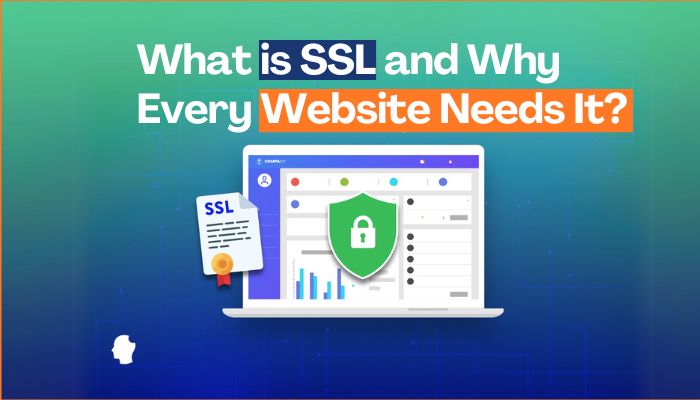
SSL stands for Secure Sockets Layer. It’s a technology that encrypts the data traveling between your browser (say, Chrome or Safari) and the website you’re visiting. Think of it like a secret code that only the two of you can understand. If someone tries to intercept it—like that shady character in the coffee shop—they’d just see a jumbled mess of letters and numbers, not your credit card details or password.
SSL was originally developed by Netscape back in the 1990s to make the internet a safer place. Over time, it’s evolved into something called TLS (Transport Layer Security), which is the modern, beefed-up version. Technically, when people say “SSL” today, they often mean TLS, but the term SSL stuck around because it’s catchier. Either way, the goal is the same: protect your data.
When a website has SSL, you’ll notice a little padlock icon in your browser’s address bar, and the URL starts with “https://” instead of just “http://”. That extra “s” stands for “secure,” and it’s your first clue that the site takes your privacy seriously.
How Does SSL Work?
Okay, let’s get a little nerdy for a second—but I promise it’s not complicated. When you visit a website with SSL, a quick handshake happens behind the scenes. Your browser and the website’s server say, “Hey, let’s talk securely.” They swap some cryptographic keys (think of them as secret passwords) to create a unique, encrypted connection just for that session. Once that’s set, everything you send—like your login info or the message you typed in a contact form—gets scrambled into code that only the website can unscramble.
This process involves two main types of encryption: symmetric and asymmetric. Asymmetric encryption uses a public key (which everyone can see) and a private key (kept secret by the website) to establish the connection. Then, symmetric encryption takes over for the actual data exchange because it’s faster. It’s like locking a box with one key and mailing it, then using a shared key to open it once it arrives.
The coolest part? All this happens in milliseconds. You don’t even notice it—unless, of course, it’s not there.
Why Does Every Website Need SSL?
Now that we know what SSL does, let’s talk about why it’s non-negotiable for every website out there—whether it’s a massive online store or your cousin’s personal blog about knitting. Here’s why.
1. It Protects Sensitive Data
The most obvious reason is security. Any time a website asks you for information—like your name, email, or payment details—it’s vulnerable without SSL. Hackers love unsecured connections because they can use tricks like “man-in-the-middle” attacks to eavesdrop. SSL stops them cold by encrypting everything. Even if a site doesn’t handle payments, think about contact forms or login pages. Do you want some creep reading your messages or stealing your account? Didn’t think so.
2. It Builds Trust with Visitors
Picture this: You land on a website, and your browser flashes a big warning: “Not Secure.” Are you sticking around? Probably not. That warning pops up when a site lacks SSL, and it’s a trust-killer. People are savvier these days—they know the padlock and “https” mean safety. A website with SSL tells visitors, “We’ve got your back,” while one without it screams, “Proceed at your own risk.” If you’re running a business, that’s a terrible first impression.
3. It’s a Must for SEO
Google doesn’t mess around when it comes to security. Since 2014, it’s been giving websites with SSL a ranking boost in search results. Why? Because Google wants to promote a safer internet. If your site doesn’t have SSL, you’re not just risking a security breach—you’re also sliding down the search rankings. In a world where being on page one of Google can make or break you, that’s a big deal. Plus, browsers like Chrome now flag non-SSL sites as “Not Secure,” which can scare users away before they even see your content.
4. It’s Required for Online Payments
If your website accepts payments—like an online store or a donation page—you have to have SSL. Payment processors like PayPal, Stripe, and credit card companies won’t even let you operate without it. It’s part of something called PCI DSS (Payment Card Industry Data Security Standard), a set of rules to keep transactions safe. No SSL, no sales. Simple as that.
5. It Keeps You Legit
Ever heard of phishing? It’s when scammers create fake websites that look real to trick you into handing over your info. SSL doesn’t stop phishing entirely, but it helps. To get an SSL certificate, a website has to prove its identity to a trusted authority (called a Certificate Authority, or CA). Basic certificates just verify the domain, while fancier ones (like EV SSL) require deeper checks and show the company name in the browser. This makes it harder for crooks to impersonate legit sites—and gives users more confidence in yours.
6. Even “Simple” Sites Benefit
You might think, “My site’s just a blog—I don’t need SSL.” Wrong! Even if you’re not collecting data, SSL protects your visitors’ privacy (like their IP address) and stops hackers from injecting ads or malware into your pages. Plus, if you ever add a login feature or a newsletter signup, you’ll be ready. It’s future-proofing your site for pennies a day.
The Real-World Impact of Skipping SSL
Let’s get real for a minute. What happens if a website skips SSL? In 2023 alone, data breaches cost businesses an average of $4.45 million, according to IBM. That’s not just big corporations—small sites get hit too. Imagine a local bakery’s website getting hacked because it didn’t have SSL. Customers’ email addresses leak, trust evaporates, and the bakery’s reputation takes a nosedive. Or worse: a freelancer’s portfolio site gets hijacked, and malware spreads to visitors’ devices. No one’s coming back after that.
On a personal level, I’ve seen it happen. A friend of mine ran a small online shop without SSL because she thought it was “too technical.” One day, she noticed weird pop-ups on her site—turns out, someone had exploited the unsecured connection to mess with her pages. She lost customers, spent weeks cleaning it up, and had to shell out for SSL anyway. Lesson learned the hard way.
How Do You Get SSL?
Good news: Getting SSL isn’t rocket science. Most web hosting companies (like Bluehost, SiteGround, or GoDaddy) offer SSL certificates—sometimes for free through something called Let’s Encrypt. Paid options start at a few bucks a month and go up depending on the level of validation you want (basic Domain Validation, Organization Validation, or Extended Validation). Once you’ve got the certificate, your host can usually install it for you, or you can follow a tutorial if you’re DIY-inclined. After that, tweak your site to use “https://” everywhere, and you’re golden.
The Bigger Picture
SSL isn’t just about one website—it’s about making the internet a safer place for everyone. Back in the early days of the web, security wasn’t a big deal because not much was happening online. But today? We’re shopping, banking, working, and socializing digitally. The stakes are higher, and the bad guys are smarter. SSL is like the lock on your front door—it doesn’t stop every thief, but it sure makes their job harder.
Think about the sites you visit every day. Your favorite news outlet, that recipe blog you love, the forum where you geek out about video games—they all need SSL. It’s not just for “important” sites; it’s for every corner of the web where humans connect. And if you’re a website owner, it’s your responsibility to step up.
Wrapping It Up
So, what’s the takeaway? SSL is a small but mighty tool that encrypts data, builds trust, boosts your SEO, and keeps your website legit. It’s not optional anymore—it’s essential. Whether you’re protecting customer info or just making sure your visitors feel safe, SSL is the bare minimum in today’s online world. It’s affordable, easy to set up, and the peace of mind is priceless.
Next time you’re browsing, check for that padlock. And if you’ve got a website of your own, ask yourself: “Do I want to be the one left unlocked?” Get SSL, secure your site, and let’s keep the internet a little safer, one “https” at a time.